
Why the Myth of Demeter and Persephone Matters Today
Eleusis, Grief, and the Turning of the Year
Reflections from my recent visit to Eleusis, and the relevance of an ancient myth to psychotherapy and the journey into winter.

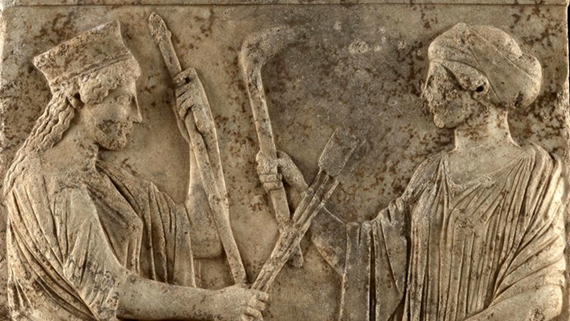
Earlier this autumn, I visited Eleusis in Greece where the Mysteries of Demeter and Persephone were celebrated. This is part of my ongoing research into the myth of the two goddesses for my forthcoming book and upcoming retreat that I am co-facilitating with Fay Barratt, Demeter & Persephone: A Journey Through Myth, Soul & Transformation, taking place in Glastonbury over the Spring Equinox in March 2027.
Walking through the remains of this ancient sanctuary, where people gathered for centuries to participate in the Eleusinian Mysteries, I reflected on how a story rooted in the ancient world continues to speak to our inner lives today. Mythic themes of loss, separation, grief, death, and hope for renewal, feel particularly resonant as we turn towards the darker months of the year. On the 31st of October, we approach the seasonal festival of Samhain, a time associated in many earth-based traditions with remembering the dead, and reflecting on the cycles of life and death. On another level, the Eleusinian Mysteries gave people a hope for a blessed afterlife and joy within this one, which points to a revitalising, spiritual quality underlying the grief and loss within the myth.
Initiates from the ancient world walked along the ‘Sacred Way’ from Athens to Eleusis to take part in Demeter and Persephone’s mystery rites. They undertook purification rituals, made sacrifices, and walked for 14 miles in procession which was followed by fasting. They then took part in rites which were kept secret, which involved witnessing symbolic events connected to Persephone and Demeter’s myth. This brought about a great understanding of the doctrine embodied in the story. Initiates who took part in the Eleusinian Mysteries described undergoing a transformative experience which was evoked by ritual acts where things were ‘done, shown, and said’.
The Mysteries seemed to lead initiates into a deeper experience of being alive. The pilgrimage, ritual, experiential engagement with myth, and subsequent revelation can be compared in some ways to the journey of the soul undertaking a therapeutic journey, whether this is in psychotherapy, psychoanalysis, long term counselling, spiritual work or other self-development processes which encourage deep inner reflection. To ponder the symbolism of the Mysteries and contemplate its meaning can lead us into a deeper relationship with the archetypal images of Demeter and Persephone and their place within the human psyche.

Demeter's Grief
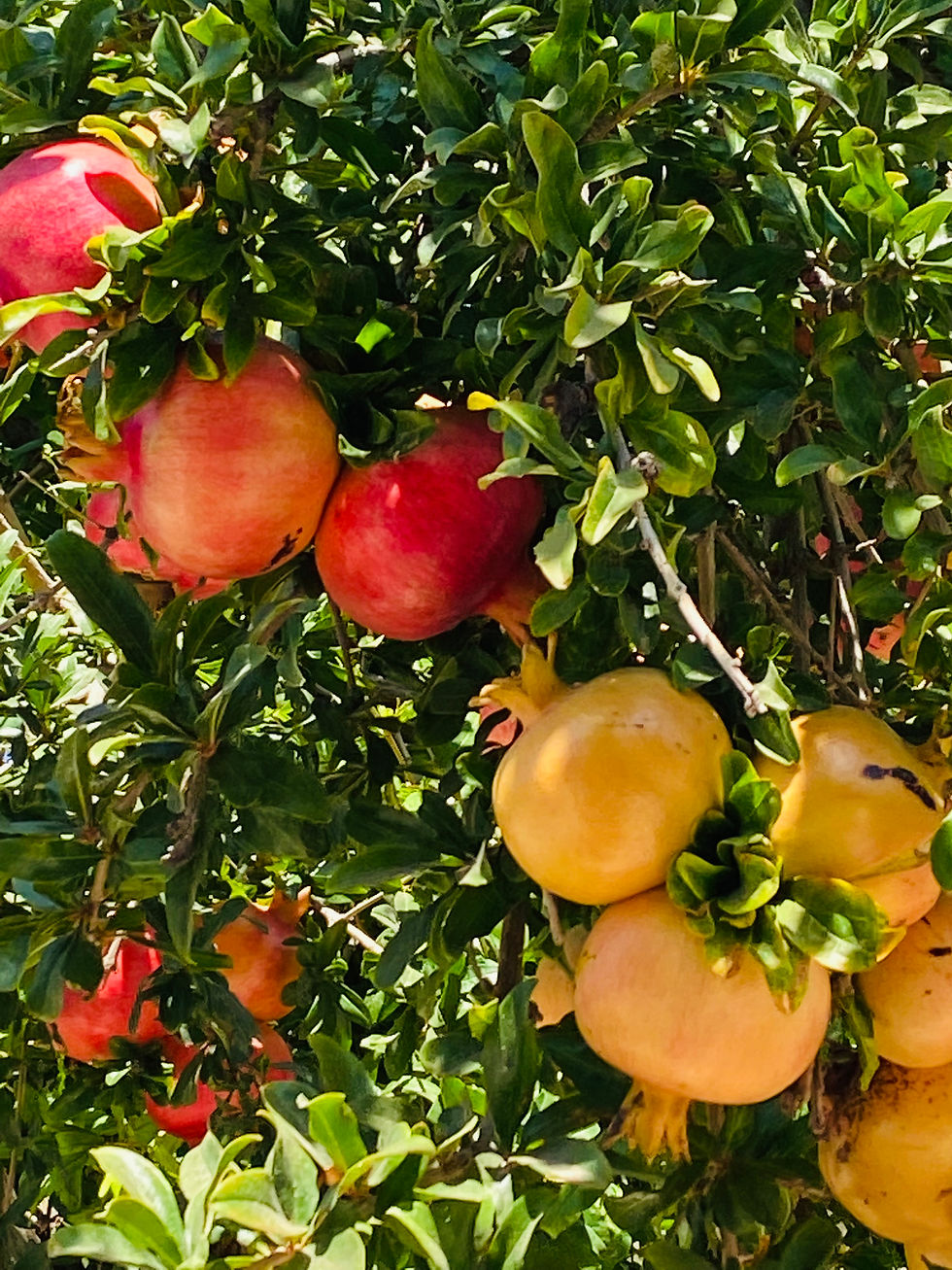
In the Myth, Demeter experiences the loss of her daughter Kore, who later becomes known as Persephone, through a traumatic abduction by her uncle Hades, the Lord of the Underworld. Kore is taken down into the underworld and forced into marriage, binding her to a life beneath the earth, ruling over deceased souls. Demeter undertakes a dramatic search for Kore, whilst experiencing an intense grief process characterised by rage, despair, and overwhelming sorrow. Meanwhile, Kore must come to terms with her marriage to Hades, and through a process of transformation, becomes Persephone, Queen of the Underworld. After a lengthy process of searching and mourning, Demeter casts a devastating famine upon the earth. Through this, she is able to secure her daughter’s return. However, Hades slips Persephone a pomegranate seed, which means she is forever bound to return to the underworld. Therefore, a deal is brokered where Persephone will spend part of the year with her mother, and the darker time of the year with Hades.
Demeter’s search for Persephone offers much to reflect upon. Demeter, an archetypal mother goddess, lives through a complex, long-term cycle of grief, characterised by a long period of immersion in intense, painful feelings. Demeter’s process demonstrates the possibility for new life to emerge, after the soul is ravaged by loss. I am struck by how honestly the myth acknowledges the force of grief. Demeter does not immediately accept what has happened or find meaning in her daughter's disappearance. She searches, rages, withdraws, and mourns. Her grief affects the whole world around her. When we experience a significant loss, whether through bereavement, the ending of a relationship, a change in identity or the passing of a particular stage of life, our inner world can feel as though it has stopped growing. Things that once brought pleasure or meaning can seem distant. We often feel disconnected from ourselves and from other people.
The loss that takes place with the myth happens for both mother and daughter. This mythic pattern can represent the human experience of being a mother or a daughter, closeness within a caregiving relationship, or it can also symbolise the archetypal experience of an internal ‘inner parent’ figure to ‘inner child’. There are other layers too numerous to mention here. Ancient myths offer archetypal images and themes that can help us to explore human experiences that are often difficult to put into words. A psychotherapy with soul honours the archetypal, symbolic level of consciousness that lies beneath the surface of everyday experience. It recognises that we are more than our symptoms or the dilemmas we bring to therapy. Our symptoms and dilemmas need care and attention, however there is often much more than meets the eye that needs to be explored, to release trapped patterns and move towards greater wholeness.
To find this deeper knowing involves having to drop beneath the layers of the rational mind, and move towards the symbolic mode of experiencing. Soulful psychotherapy encourages this by allowing room for reflecting upon myth and fairytales, as well as dreams, imagination, symbols and ongoing enquiry into the deeper patterns that shape our lives. Myths hold universal patterns that are relevant to us all at different times in our lives. They can help us to find a greater understanding of our own inner journey and lived experiences.
The mother daughter relationship in this myth is particularly rich. Demeter's love is powerful, but Persephone's descent also takes her beyond the world of her mother. Separation is painful, yet it can be viewed as part of the movement towards a life of her own, her journey of individuation. The myth invites us to consider what happens when the need for connection meets the need for autonomy, and how difficult it can be to hold both.
These are not questions with universal answers. Nor does the myth provide a psychological diagnosis or a template that every person must follow. Rather, it can offer images through which we begin to explore our own experiences, particularly when feelings are complex, contradictory, or difficult to put into words. In therapy, an image, a dream or a story can sometimes open a door that direct questioning cannot. We might explore what it means to feel like Demeter, searching for something precious that has been lost, or like Persephone, finding ourselves in unfamiliar territory without knowing when, or whether, we will return to what we once knew.
Rebecca D’arcy, Psychotherapist
October, 2026
Demeter and Persephone Retreat
This theme of descent, grief, transformation, and return, is at the heart of the Demeter and Persephone Retreat that I am co-facilitating with Fay Barratt, in March 2027.
Over three days, we will explore the myth as both an ancient story and a living psychological and symbolic journey. There will be space for reflection, depth-psychological exploration, embodied practice, and creative work, with Fay bringing her experience of sacred art, group facilitation and spiritual practice to the retreat.
The retreat takes place 19 - 21 March 2027, and is an invitation to step out of everyday life and into a more contemplative space: to explore what it means to descend, to grieve, to transform and, eventually, to return.
If the Demeter–Persephone story speaks to something you are currently living through, you can find out more about the retreat [here].
I will be sharing more reflections from my trip to Eleusis next month. If you would like to be kept updated, subscribe to my newsletter Here


Comments